Buy U.S. Property With Crypto From Thailand

The U.S. side is the easy part. Here’s the whole map — both sides.

Thailand spent 2025 turning itself into one of the most crypto-friendly tax jurisdictions on earth — a five-year 0% capital gains window on licensed-platform trades — while U.S. property remains the diversification asset of choice for Thai and expat wealth alike. The combination is genuinely favorable; it just has conditions worth reading before you rely on them.

The path

  • Verify your wallet and get U.S.-grade proof of funds — from anywhere
  • Find the property: any U.S. listing, plus RealOpen inventory
  • Comply with Thailand’s exit rules — your side, with your advisors
  • RealOpen converts crypto to USD and wires escrow; you close as a cash buyer, in your own name or trust

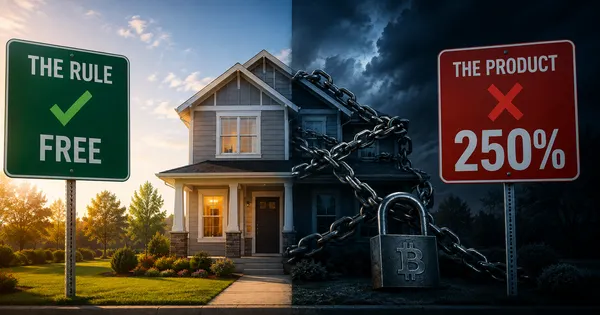
The U.S. Side: Simpler Than You Think

The United States has no citizenship or residency requirement for owning real estate, and the crypto-funded version of the purchase doesn’t add one. With RealOpen, Thai buyers close as cash buyers:

  • No U.S. bank account, no U.S. credit history, no LLC required — most international buyers close in their own name or a trust
  • Cryptographic wallet verification and institutional-grade proof of funds that U.S. agents and sellers accept
  • Your crypto converts to USD through institutional trading infrastructure at a locked rate; escrow receives a conventional wire
  • The seller, title company, and escrow company handle a standard cash closing — no one on the U.S. side needs to touch or understand crypto

The general international playbook lives at buying U.S. real estate from abroad; the full transaction mechanics are in how buying real estate with crypto works.

The Thai Side: A 0% Window, With Conditions

The 2026 state of play:

  • Capital gains on crypto sold through Thai SEC-licensed platforms are tax-exempt from January 1, 2025 through December 31, 2029 — a deliberate digital-asset-hub policy
  • The exemption is conditional: sell through offshore exchanges, unlicensed venues, or P2P channels and normal progressive taxation (up to 35%) still applies; staking and mining income remain taxable regardless
  • Foreign-income remittance rules are a separate analysis from the exemption — the interaction between where you sell, where the money lands, and your Thai tax residency deserves a professional pass
  • Outbound transfers for a documented property purchase are routine under Bank of Thailand rules — paperwork, not prohibition

For expats resident in Thailand, add your home country’s rules on top (U.S. citizens: the IRS taxes worldwide income wherever you live — Thailand’s 0% window doesn’t change your Form 8949). Structured correctly, a Thailand-based buyer can be among the most tax-efficient crypto property buyers anywhere right now.

Start From Where You Are

The sequence that works: get your U.S.-side proof of funds first (it’s free to create an account and verify funds), line up your home-country compliance in parallel with your own advisors, then shop with the confidence of a cash buyer. Contact us with your situation — asset, country, target market — and we’ll tell you honestly what we can and can’t do for it.

This page is education, not legal, tax, or exchange-control advice. Home-country rules change — several cited here are in active transition — and professional advice in Thailand is part of doing this right.

Frequently asked questions